


Gangasagar Mela is one of the most revered religious gatherings in India, attracting millions of pilgrims and visitors every year. Held at the sacred confluence where the River Ganga meets the Bay of Bengal, this spiritual event is a significant pilgrimage for devotees who come to take a holy dip and seek blessings. Located on Sagar Island in West Bengal, Gangasagar Mela takes place annually during the festival of Makar Sankranti in January and holds deep cultural and religious importance.
The belief behind Gangasagar Mela is rooted in ancient Hindu traditions. According to mythology, taking a holy dip at the meeting point of the Ganga and the sea during Makar Sankranti cleanses devotees of their sins and brings spiritual liberation. After the sacred bath, pilgrims visit the Kapil Muni Temple to offer prayers and seek blessings. This temple is dedicated to Sage Kapil Muni, who is believed to have meditated at this sacred site.
Gangasagar Mela is often compared to the Kumbh Mela in terms of spiritual significance, although it is smaller in scale. Despite that, it remains one of the largest religious gatherings in eastern India. Devotees from all parts of the country, and even from abroad, travel to Sagar Island to participate in this holy event.
The journey to Gangasagar is an experience in itself. Pilgrims typically travel from Kolkata to reach the island through a combination of road and ferry services. The route usually involves traveling to Kakdwip or Namkhana, followed by a ferry ride across the Muriganga River to reach Sagar Island. During the Mela, the West Bengal government arranges special transportation, medical facilities, security services, and temporary accommodations to handle the massive influx of visitors.
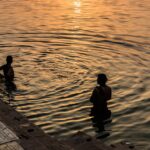
One of the most important rituals of Gangasagar Mela is the holy dip taken at dawn on the day of Makar Sankranti. Devotees gather at the beach before sunrise and immerse themselves in the sacred waters while chanting prayers and hymns. This act symbolizes purification and spiritual renewal. After the ritual bath, pilgrims visit the Kapil Muni Temple to complete their pilgrimage.
Apart from its religious importance, Gangasagar Mela also reflects the vibrant culture and traditions of India. The event features numerous spiritual discourses, devotional music, and gatherings of sadhus and saints from different parts of the country. Temporary markets and stalls are set up during the fair, offering food, religious items, handicrafts, and souvenirs. This creates a festive atmosphere where spirituality and cultural heritage blend together.
For travelers planning to attend Gangasagar Mela, preparation is essential. Since the event attracts a huge number of pilgrims, it is advisable to plan transportation and accommodation in advance. Comfortable clothing, basic medicines, and necessary travel documents should be carried to ensure a smooth experience. Visitors should also follow local guidelines and safety instructions issued by authorities during the event.
The best time to visit Gangasagar Mela is during Makar Sankranti in mid-January, when the main bathing ritual takes place. However, the island itself remains a peaceful spiritual destination throughout the year. Many visitors choose to explore nearby villages, enjoy the coastal scenery, and learn about the cultural life of the region.
Gangasagar Mela is not just a religious gathering; it is a powerful spiritual experience that reflects faith, devotion, and unity among millions of people. The sacred dip at the confluence of the Ganga and the Bay of Bengal symbolizes purification and the hope for spiritual liberation.
In conclusion, Gangasagar Mela stands as one of India’s most sacred pilgrimages, drawing devotees from across the world who come to seek blessings and experience divine peace. Whether you are a devotee or a traveler interested in India’s spiritual heritage, a visit to Gangasagar Mela offers a truly unforgettable and soul-enriching journey.

Leave a Reply