


India is a land of extraordinary diversity, where every region tells a unique story through its culture, traditions, and landscapes. While iconic landmarks such as the Taj Mahal in Agra and the royal palaces of Jaipur draw millions of visitors each year, the true essence of the country lies in its villages. Rural tourism in India offers travelers an opportunity to experience authentic lifestyles, vibrant customs, and warm hospitality that remain untouched by rapid urbanization.
The Soul of Real India
With more than half of its population living in villages, India’s rural landscape reflects centuries-old traditions, crafts, and agricultural practices. From the desert hamlets of Jaisalmer to the serene backwaters near Alleppey, rural tourism introduces visitors to the everyday rhythm of village life. Travelers can participate in farming activities, learn traditional cooking methods, and interact closely with local communities.
In states like Rajasthan, Kerala, and Sikkim, rural tourism initiatives have empowered communities by promoting homestays and eco-friendly travel. Guests often stay with local families, gaining firsthand insight into regional traditions, festivals, and handicrafts. This immersive experience creates meaningful connections that go beyond conventional sightseeing.
Cultural Richness and Heritage
Indian villages are repositories of art and heritage. Artisans continue to practice ancient crafts such as pottery, handloom weaving, block printing, and folk painting. In regions like Varanasi, visitors can witness traditional silk weaving, while in rural Gujarat, intricate embroidery reflects generations of artistic excellence.
Rural festivals further enrich the experience. Harvest celebrations, folk dances, and devotional music performances showcase the cultural vibrancy of India’s countryside. Unlike urban events designed for tourists, village festivals offer authentic participation and a genuine sense of community spirit.
Nature and Sustainable Travel
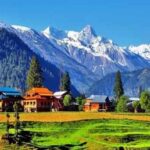
Rural tourism in India is closely connected with nature. Many villages are located near forests, rivers, mountains, or deserts, providing scenic beauty and tranquility. Eco-tourism initiatives encourage sustainable practices such as organic farming, rainwater harvesting, and wildlife conservation. Travelers can explore scenic landscapes, go on village walks, or enjoy bullock cart rides that highlight traditional modes of transport.
These experiences promote responsible tourism by supporting local economies and preserving cultural identity. By choosing rural destinations, travelers help reduce overcrowding in major tourist cities while contributing directly to grassroots development.
A Transformative Travel Experience
Rural tourism transforms a journey into a cultural exchange. Instead of simply visiting monuments, travelers become part of daily life—sharing meals, listening to folk tales, and learning traditional skills. The simplicity and warmth of village communities leave lasting impressions that luxury hotels cannot replicate.
India’s villages represent resilience, heritage, and diversity. Rural tourism allows visitors to discover a deeper, more meaningful side of the country. As an incredible tourism destination, India’s countryside offers authenticity, sustainability, and unforgettable memories—proving that the heart of India truly beats in its villages.



Leave a Reply