


The Golden Temple, also known as Sri Harmandir Sahib, is one of the most sacred and spiritually uplifting destinations in India. Located in the vibrant city of Amritsar, this iconic shrine stands as a symbol of peace, equality, and devotion, attracting millions of visitors from around the world every year.
Founded in the 16th century by Guru Ram Das, the Golden Temple was later completed by Guru Arjan Dev, who also installed the holy scripture, the Guru Granth Sahib, inside the sanctum. The temple’s unique architecture reflects a blend of Hindu and Islamic styles, symbolizing unity and inclusiveness. What makes the Golden Temple truly remarkable is that it has four entrances, welcoming people from all directions, regardless of caste, creed, or religion.
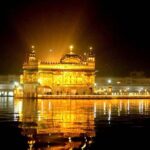
At the heart of the complex lies the sacred Amrit Sarovar (holy pool), from which the city of Amritsar derives its name. The shimmering golden structure of the temple, surrounded by the calm waters of the pool, creates a mesmerizing reflection that is especially captivating during sunrise and nighttime illumination. The upper floors of the temple are covered in gold leaf, giving it the name “Golden Temple.”
One of the most unique aspects of visiting Sri Harmandir Sahib is experiencing the Langar, the world’s largest free community kitchen. Every day, thousands of devotees and visitors are served simple yet delicious meals, prepared and distributed by volunteers. This practice, rooted in the Sikh principle of “Seva” (selfless service), emphasizes equality and humility, as everyone sits together on the floor to share the meal.
As you enter the temple complex, you are required to cover your head, remove your shoes, and wash your feet, symbolizing respect and purity. The atmosphere inside is filled with the soothing sound of Gurbani (devotional hymns), creating a deeply spiritual environment. Visitors often spend time sitting by the Sarovar, meditating, or simply absorbing the peaceful energy that surrounds the shrine.
A visit to the Golden Temple is not complete without exploring the Akal Takht, located within the complex. It is one of the five Takhts (seats of authority) of Sikhism and represents the temporal power of the Sikh community. The Akal Takht stands directly opposite the Golden Temple, symbolizing the balance between spiritual and worldly responsibilities.
The temple complex also houses the Central Sikh Museum, which showcases the rich history, sacrifices, and teachings of Sikh Gurus and warriors. It provides valuable insights into Sikh culture and heritage, making the visit both educational and inspiring.
The best time to visit the Golden Temple is early morning or late evening when the atmosphere is serene and less crowded. The Palki Sahib ceremony at night, where the Guru Granth Sahib is carried in a procession to its resting place, is a deeply moving experience that reflects the devotion and discipline of Sikh traditions.
A visit to Sri Harmandir Sahib is more than just a religious journey—it is a profound experience that touches the soul. The temple’s message of unity, humility, and service resonates with people of all backgrounds. Whether you are seeking spiritual solace or simply exploring India’s cultural treasures, the Golden Temple in Amritsar offers an unforgettable and enriching experience that stays with you long after you leave.



Leave a Reply