


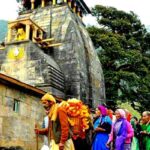
The Char Dham Yatra is one of the most sacred pilgrimages in India, drawing thousands of devotees every year to the divine shrines nestled in the Himalayas of Uttarakhand. The journey covers four holy temples — Yamunotri Temple, Gangotri Temple, Kedarnath Temple, and Badrinath Temple — collectively known as the Char Dham of Uttarakhand.
For 2026, pilgrims can expect improved road connectivity, better facilities, and organized travel management, making the yatra smoother and more comfortable. Here is a complete guide to the Char Dham Yatra route for 2026.
Overview of the Char Dham Route
The traditional sequence of the Char Dham Yatra follows a west-to-east direction:
Yamunotri → Gangotri → Kedarnath → Badrinath
The journey usually begins from Haridwar, Rishikesh, or Dehradun, which are well connected by road, rail, and air.
The total route distance is approximately 1,500–1,600 kilometers, depending on the starting point and travel plan. The yatra typically takes 9 to 12 days by road.
Route Details for Char Dham Yatra 2026
1. Haridwar/Rishikesh to Yamunotri
The first destination is Yamunotri, the origin of the Yamuna River.
Route:
Haridwar/Rishikesh → Barkot → Janki Chatti → Yamunotri
Pilgrims travel by road to Janki Chatti, the last motorable point. From there, a 5–6 km trek leads to Yamunotri Temple. Pony, palki, and helicopter services are also available for those who prefer assistance.
Yamunotri is dedicated to Goddess Yamuna and is surrounded by scenic mountains and hot water springs.
2. Yamunotri to Gangotri
After completing darshan at Yamunotri, the journey continues toward Gangotri.
Route:
Yamunotri → Barkot → Uttarkashi → Gangotri
Gangotri Temple is dedicated to Goddess Ganga and marks the spiritual origin of the River Ganges. The drive offers breathtaking views of valleys and river confluences. Uttarkashi is a common overnight halt before proceeding to Gangotri.
3. Gangotri to Kedarnath
The third dham is Kedarnath, dedicated to Lord Shiva and one of the twelve Jyotirlingas.
Route:
Gangotri → Uttarkashi → Guptkashi → Sonprayag → Gaurikund → Kedarnath
From Gaurikund, pilgrims undertake a 16–18 km trek to Kedarnath Temple. In recent years, the trekking route has been widened and improved for safety and convenience. Helicopter services operate from places like Phata, Guptkashi, and Sersi for faster access.
Kedarnath is situated at an altitude of 3,583 meters and offers a spiritually powerful atmosphere surrounded by snow-capped peaks.
4. Kedarnath to Badrinath
The final destination of the yatra is Badrinath.
Route:
Kedarnath → Guptkashi → Joshimath → Badrinath
Badrinath Temple is dedicated to Lord Vishnu and located along the banks of the Alaknanda River. Pilgrims often take a dip in the Tapt Kund hot spring before entering the temple.
On the way, you can witness the sacred confluences known as Panch Prayag, including Devprayag and Rudraprayag.
Best Time for Char Dham Yatra 2026
The Char Dham temples usually open in late April or early May and close around October or November, depending on weather conditions. The best months to travel in 2026 will likely be May–June and September–October, as the monsoon season (July–August) can cause landslides and travel disruptions.
Travel Options for 2026
Pilgrims can choose from multiple travel options:
- Road trip by car or bus
- Helicopter Char Dham packages
- Organized tour packages
- Private taxi services
With ongoing infrastructure improvements like the Char Dham highway project, road travel in 2026 is expected to be smoother and safer.



Leave a Reply