


Located in the northern state of Uttar Pradesh, the historic city of Agra is one of the most famous travel destinations in India. Known worldwide as the home of the magnificent Taj Mahal, Agra attracts millions of visitors each year who come to admire its stunning Mughal architecture, rich heritage, and vibrant culture. Once the capital of the powerful Mughal Empire, the city still preserves remarkable monuments that tell stories of royal grandeur and timeless romance.
If you are planning a trip to India, visiting Agra offers the perfect opportunity to explore historical landmarks, impressive forts, beautiful gardens, and lively local markets. Here are some of the top tourist attractions in Agra that make the city truly unforgettable.
Taj Mahal – The Symbol of Eternal Love
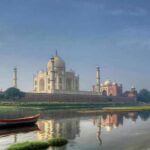
No visit to Agra is complete without seeing the world-famous Taj Mahal. This breathtaking white marble mausoleum was built by the Mughal emperor Shah Jahan in memory of his beloved wife Mumtaz Mahal. Completed in 1653, the Taj Mahal is recognized as one of the most beautiful buildings in the world and is also a UNESCO World Heritage Site.
The monument is admired for its symmetrical design, intricate marble inlay work, and peaceful gardens. Visitors often arrive at sunrise or sunset to witness the Taj Mahal glowing under changing colors of the sky, creating a magical experience.
Agra Fort – A Powerful Mughal Fortress
Another major attraction in Agra is the impressive Agra Fort, a massive red sandstone fortress located just a few kilometers from the Taj Mahal. Built by the Mughal emperor Akbar in the 16th century, this historic fort served as the main residence of Mughal rulers for many years.
Inside the fort, visitors can explore beautiful palaces, royal halls, and courtyards such as the Jahangir Mahal, Diwan-i-Am, and Diwan-i-Khas. The fort also offers a stunning view of the Taj Mahal from across the Yamuna River.
Mehtab Bagh – The Best Sunset View of Taj Mahal
Located on the opposite side of the Yamuna River, Mehtab Bagh is a beautiful Mughal garden that provides one of the best panoramic views of the Taj Mahal. The garden was originally built by Babur as part of a series of riverside gardens in Agra.
Today, Mehtab Bagh is a peaceful spot where travelers can relax, enjoy photography, and watch the Taj Mahal during sunset when the monument reflects beautifully in the river.
Itimad-ud-Daulah – The Baby Taj
Often called the “Baby Taj,” the elegant Tomb of Itimad-ud-Daulah is another architectural gem in Agra. This marble tomb was built by Nur Jahan in memory of her father, Mirza Ghiyas Beg.
The monument is famous for its delicate carvings, colorful pietra dura inlay work, and peaceful gardens. Many historians believe that the design of the Taj Mahal was inspired by this beautiful tomb.
Fatehpur Sikri – A Historic Mughal City
About 40 kilometers from Agra lies the magnificent historical city of Fatehpur Sikri. Built by the Mughal emperor Akbar in the 16th century, this UNESCO World Heritage Site served as the capital of the Mughal Empire for a short period.
Visitors can explore remarkable structures such as the Buland Darwaza, Jama Masjid, and the tomb of the Sufi saint Salim Chishti. The well-preserved red sandstone buildings provide a fascinating glimpse into Mughal history and architecture.
Akbar’s Tomb – A Grand Mughal Mausoleum
Located in the suburb of Sikandra, the magnificent Akbar’s Tomb is the final resting place of the great Mughal emperor Akbar. The monument combines Hindu, Islamic, and Persian architectural styles and is surrounded by beautiful gardens where visitors can often spot deer and peacocks.
Agra’s Local Markets and Cuisine
Apart from historical monuments, Agra is also famous for its vibrant markets and delicious food. Popular shopping areas such as Sadar Bazaar offer a wide range of handicrafts, leather goods, marble souvenirs, and traditional textiles.
Food lovers should not miss tasting Agra’s famous sweet, Agra Petha, along with Mughlai dishes that reflect the culinary heritage of the Mughal era.



Leave a Reply