


India’s vast size means there is always a “perfect” destination, regardless of the month. To get the most out of your trip, it is best to follow the weather: north and south for winter, the Himalayas for summer, and the “rain shadows” during the monsoon.
Winter: The Peak Season (October – February)
The plains are cool and dry, making this the best time for heritage and wildlife.
- October: Hampi (Karnataka) or Mysuru. The weather cools down, and the Dussehra festival in Mysuru is spectacular.
- November: Pushkar (Rajasthan) or Varanasi. Visit for the Pushkar Camel Fair or Dev Deepawali in Varanasi when the ghats are lit by millions of lamps.
- December: Goa or Kochi. Ideal for beach weather and the festive “Cochin Carnival.”
- January: Rajasthan or Gujarat. Perfect for exploring the Thar Desert or the Rann of Kutch (White Desert) festival.
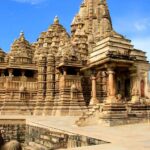
- February: Agra or Khajuraho. Crisp mornings and mild days are perfect for photography at the Taj Mahal or the temples of Madhya Pradesh.
Spring: The Transition (March – April)
The heat begins to rise in the south, so look to the center and the foothills.
- March: Mathura/Vrindavan or Rishikesh. Experience Holi in the heart of Krishna country or enjoy the International Yoga Festival in the foothills.
- April: Sikkim or Darjeeling. The rhododendrons are in full bloom, and the mountain air is still cool before the pre-monsoon haze sets in.
Summer: Escape to the Heights (May – June)
Most of India is scorching, so head to high-altitude regions.
- May: Leh & Ladakh or Spiti Valley. The high mountain passes (like Rohtang and Khardung La) finally open, making this the start of the adventure season.
- June: Shimla or Manali. While popular, these hill stations offer essential relief. For something quieter, try Munsiyari or Kanatal in Uttarakhand.
Monsoon: Greenery & Rain Shadows (July – September)
While much of India is drenched, certain areas thrive or stay relatively dry.
- July: Valley of Flowers (Uttarakhand). This is the only time the alpine flowers bloom. Alternatively, Munnar (Kerala) is stunningly lush if you don’t mind the rain.
- August: Udaipur or Mount Abu. Rajasthan receives less rain than the coast, and the “City of Lakes” looks magical when the water levels rise and the hills turn green.
- September: Ziro Valley (Arunachal Pradesh) or Coorg. The rains begin to recede, leaving the landscapes incredibly vibrant and clean.
At-a-Glance Summary Table
| Season | Months | Best Regions | Avoid |
| Winter | Nov – Feb | Rajasthan, Kerala, Goa, Tamil Nadu | High Himalayas (too cold/blocked) |
| Spring | Mar – Apr | Sikkim, Foothills, Central India | South India (starts getting humid) |
| Summer | May – June | Ladakh, Spiti, Kashmir, Hill Stations | North Indian Plains (extreme heat) |
| Monsoon | July – Sept | Ladakh (dry), Kerala (for greenery) | Mumbai/Assam (heavy flooding risk) |


Leave a Reply