


Gwalior, a historic city in the Indian state of Madhya Pradesh, is a destination that beautifully combines royal heritage, architectural brilliance, and cultural richness. Known for its majestic forts, palaces, and temples, Gwalior is often considered one of the most historically significant cities in central India. From ancient monuments to vibrant markets, the city offers a unique travel experience for every kind of traveler.
Top Tourist Places in Gwalior
1. Gwalior Fort
Dominating the skyline of the city, Gwalior Fort is one of the most iconic landmarks in India. Often referred to as the “Gibraltar of India,” this massive hilltop fort dates back to the 8th century. Inside the fort complex, you will find stunning structures like temples, palaces, and stepwells. The panoramic view of the city from the fort is truly breathtaking, especially during sunrise and sunset.
2. Jai Vilas Palace
A symbol of royal luxury, Jai Vilas Palace was built by Maharaja Jayajirao Scindia in the 19th century. This grand palace blends European architectural styles with Indian design elements. A part of the palace is now a museum displaying royal artifacts, vintage furniture, and one of the world’s largest chandeliers.
3. Sas Bahu Temples
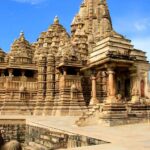
Located within the fort complex, the Sas Bahu Temples are dedicated to Lord Vishnu. Built in the 11th century, these temples are known for their intricate carvings and detailed sculptures. Despite their name, they are not related to family relationships but are architectural marvels that reflect ancient craftsmanship.
4. Teli Ka Mandir
This unique temple stands out for its distinct architectural style, blending Dravidian and North Indian elements. Built in the 9th century, Teli Ka Mandir is the tallest temple in the Gwalior Fort complex and is admired for its elaborate carvings and impressive structure.
5. Gujari Mahal
Constructed by Raja Man Singh Tomar for his queen Mrignayani, Gujari Mahal is now an archaeological museum. It houses rare sculptures, inscriptions, and artifacts from different periods, making it a must-visit for history enthusiasts.
6. Sun Temple Gwalior
Inspired by the famous Sun Temple of Konark, this modern temple is dedicated to the Sun God. Built with red sandstone and white marble, the temple offers a peaceful atmosphere and is a great spot for photography and relaxation.
7. Tomb of Tansen
This is the resting place of the legendary musician Tansen, one of the nine jewels in Emperor Akbar’s court. The tomb is an important cultural site and hosts the annual Tansen Music Festival, attracting artists and music lovers from across the country.
8. Gopachal Parvat
Famous for its rock-cut Jain sculptures, Gopachal Parvat is a sacred site for followers of Jainism. The giant statues carved into the cliffs are both spiritually significant and visually striking.
Things to Do in Gwalior
Explore Historical Heritage
Spend time discovering the rich history of Gwalior by visiting forts, palaces, and temples that reflect the city’s glorious past.
Attend Cultural Festivals
The Tansen Music Festival is a major highlight, celebrating Indian classical music in a historic setting.
Enjoy Light and Sound Show
Witness the evening light and sound show at Gwalior Fort, which narrates the history of the region in an engaging way.
Shopping in Local Markets
Explore markets like Sarafa Bazaar and Patankar Bazaar for handicrafts, textiles, and traditional items.
Taste Local Cuisine
Don’t miss trying local delicacies such as poha, kachori, and traditional sweets that reflect the flavors of Madhya Pradesh.
Best Time to Visit Gwalior
The ideal time to visit Gwalior is between October and March, when the weather is pleasant and suitable for sightseeing. Summers can be quite hot, while winters offer a comfortable climate for exploring the city.




Leave a Reply