


Rajasthan, often called the Land of Kings, is one of India’s most historically rich states. Its landscape is dotted with magnificent forts, grand palaces, and ancient structures that reflect centuries of royal heritage, bravery, and artistic excellence. These monuments not only showcase impressive architecture but also narrate stories of Rajput valor, royal lifestyles, and cultural traditions. Below are some of the most famous historical monuments in Rajasthan that continue to attract visitors from across the world.
Amber Fort, Jaipur
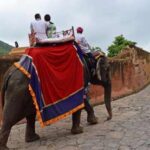
Amber Fort is one of the most iconic landmarks of Rajasthan. Situated on a hill overlooking Maota Lake, the fort was built in the late 16th century by Raja Man Singh. Its architecture is a harmonious blend of Rajput and Mughal styles, featuring grand courtyards, intricately carved halls, and the stunning Sheesh Mahal adorned with mirror work. The fort’s strategic location and majestic design make it a symbol of Jaipur’s royal past.
Mehrangarh Fort, Jodhpur
Rising dramatically above the Blue City, Mehrangarh Fort is among the largest and most impressive forts in India. Built in 1459 by Rao Jodha, the fort’s massive walls protect a complex of palaces, courtyards, and temples. Inside, the museum displays royal costumes, palanquins, weapons, and artifacts that provide insight into the lifestyle of Marwar’s rulers.
City Palace, Udaipur
The City Palace of Udaipur stands gracefully on the banks of Lake Pichola. Constructed over several centuries by the rulers of Mewar, it is a remarkable blend of Rajasthani and Mughal architectural styles. Marble balconies, colorful glass windows, and ornate courtyards reflect royal elegance. From the palace, visitors can enjoy panoramic views of Udaipur’s lakes and surrounding hills.
Jaisalmer Fort, Jaisalmer
Also known as Sonar Quila or the Golden Fort, Jaisalmer Fort is a UNESCO World Heritage Site and one of the few living forts in the world. Built in 1156 AD by Rawal Jaisal, it rises from the golden sands of the Thar Desert. The fort houses temples, havelis, shops, and residences, offering a unique glimpse into medieval desert life.
Hawa Mahal, Jaipur
Hawa Mahal, or the Palace of Winds, is a distinctive five-story structure made of pink sandstone. Built in 1799 by Maharaja Sawai Pratap Singh, it features 953 small windows designed to allow cool air to circulate while enabling royal women to observe city life discreetly. Its unique façade has become an enduring symbol of Jaipur.
Chittorgarh Fort, Chittorgarh
Chittorgarh Fort is the largest fort in India and a powerful symbol of Rajput bravery and sacrifice. Spread across a vast plateau, it has witnessed several historic battles and acts of jauhar. The fort complex includes palaces, temples, and towers such as the Vijay Stambh, which commemorates victory and resilience.
Junagarh Fort, Bikaner
Junagarh Fort stands out for its location on the plains rather than a hilltop. Built in the 16th century, it showcases a rich fusion of architectural styles including Rajput, Mughal, and Gujarati influences. The fort’s interiors are lavishly decorated with painted walls, marble carvings, and golden motifs.
Ranthambore Fort, Sawai Madhopur
Located within Ranthambore National Park, this ancient fort dates back to the 10th century. Recognized as a UNESCO World Heritage Site, Ranthambore Fort once served as a strategic stronghold. Today, it offers breathtaking views of forests and wildlife, blending history with nature.
Umaid Bhawan Palace, Jodhpur
Umaid Bhawan Palace is one of the world’s largest private residences and a striking example of Indo-Saracenic architecture. Built in the 20th century, part of the palace still houses the royal family, while the rest functions as a museum and luxury hotel.

Leave a Reply