


Gwalior Tourism: A Complete Guide to the Historic City of Madhya Pradesh
Gwalior, one of the most historically rich cities of Madhya Pradesh, is a fascinating destination for travelers who love heritage, culture, music, and architecture. Known for its majestic forts, grand palaces, and deep-rooted traditions, Gwalior beautifully blends ancient history with modern city life. Whether you are a history enthusiast, a spiritual traveler, or a casual tourist, Gwalior tourism offers memorable experiences for everyone.
Historical Significance of Gwalior
Gwalior’s history dates back over a thousand years. The city has been ruled by several dynasties, including the Tomars, Mughals, Marathas, and Scindias, each leaving behind remarkable architectural and cultural legacies. Due to its strategic location, Gwalior played a vital role in many historic battles and political movements, including India’s freedom struggle.
Gwalior Fort – The Crown of the City
The most iconic attraction of Gwalior tourism is the mighty Gwalior Fort, often described as “the pearl among Indian fortresses.” Standing atop a rocky hill, the fort dominates the city skyline. Inside the fort complex, visitors can explore the Man Singh Palace, Gujari Mahal, Saas-Bahu Temples, and ancient water tanks. The beautifully decorated palace walls, adorned with blue ceramic tiles, captivate visitors and make the fort a must-visit attraction.
Palaces and Museums
Gwalior is home to several stunning palaces and museums. Jai Vilas Palace, a blend of European and Indian architectural styles, showcases royal artifacts, crystal chandeliers, silver furniture, and a fascinating museum. Gujari Mahal, now an archaeological museum, houses rare sculptures, inscriptions, and artifacts from ancient India, offering insights into the region’s rich past.
Spiritual and Religious Sites
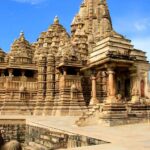
Gwalior tourism also attracts spiritual seekers. The Teli Ka Mandir, dedicated to Lord Vishnu, stands out for its unique architectural style combining Nagara and Dravidian designs. Saas-Bahu Temples, despite their name, are intricately carved twin temples that display exceptional craftsmanship. Nearby, Sun Temple, inspired by the famous Konark Sun Temple, adds a serene spiritual charm to the city.
Music and Cultural Heritage
Gwalior is globally recognized as the birthplace of the Gwalior Gharana, one of the oldest schools of Indian classical music. The city has produced legendary musicians like Tansen, one of the nine gems of Emperor Akbar’s court. Tansen’s Tomb is a revered cultural site where an annual music festival attracts classical music lovers from across India.
Local Markets and Cuisine
Exploring local markets is an essential part of Gwalior tourism. Popular shopping areas like Maharaj Bada and Patankar Bazaar offer handicrafts, traditional jewelry, leather items, and souvenirs. Food lovers can enjoy local delicacies such as poha, kachori, bedai with sabzi, and traditional sweets like gajak and peda, which are especially popular during winter.
Best Time to Visit Gwalior
The ideal time to explore Gwalior is between October and March, when the weather remains pleasant for sightseeing. Summers can be extremely hot, while monsoons bring moderate rainfall, making winters the most comfortable season for tourists.
How to Reach Gwalior
Gwalior is well connected by road, rail, and air. The city has a domestic airport with flights to major cities. Gwalior Junction is an important railway station on the Delhi–Mumbai and Delhi–Chennai routes, ensuring easy rail connectivity.




Leave a Reply